I’ve been scammed trying to make money online. Not once — more than once. And I’m not embarrassed to say it anymore, because if it happened to me — an MBA, a guy who spent years in accounting staring at numbers for a living — it can happen to anyone.
Here’s what nobody tells you when you first type “how to make money online” into Google: you’re walking into a minefield. The make money online space is absolutely full of scammers. Fake gurus, rigged screenshots, “secret systems,” rented Lamborghinis — the whole circus. And the worst part? It’s not just the victims who pay the price. Every scam poisons the well a little more for the legit marketers — the real educators, the honest affiliates, the people actually building businesses — who now have to fight twice as hard just to be believed.
This is the article I wish someone had handed me back in 2016 when I was starting out. Let’s talk honestly about the scammers, the damage they do, and how to tell the real ones from the fakes.
Why the “Make Money Online” Space Is a Magnet for Scammers
Every industry has its con artists, but few attract them like the make money online world. There’s a reason for that, and it comes down to three things: a desperate audience, an irresistible dream, and almost zero barrier to faking it.
Start with the audience. Most people searching for ways to make money online aren’t doing it for fun. They’re drowning in debt, stuck in a job they hate, worried about bills, or lying awake at 2 AM wondering how they’ll ever get ahead. Desperation makes people vulnerable. When someone is desperate, their critical thinking takes a back seat and hope takes the wheel. Scammers know this. They don’t target the comfortable — they target the hopeful and the hurting.
Then there’s the dream itself. Financial freedom. Passive income. Quitting your 9-to-5. Working from a beach in Bali. These aren’t just marketing slogans — they’re deep human desires. The scammer’s entire pitch is built on holding up a mirror to what you already want and saying, “I have the shortcut.” It works because the desire is real, even when the shortcut isn’t.
And finally, the barrier to faking success online is basically zero. In the offline world, if you claim to be a millionaire, people can check. Online? Anyone can rent a sports car for a day, stand in front of a mansion they found on Airbnb, screenshot a faked Stripe dashboard, and call themselves a “7-figure entrepreneur.” The tools to fabricate credibility are cheap, easy, and everywhere. Put those three ingredients together — desperate buyers, an irresistible dream, and effortless fakery — and you’ve got the perfect hunting ground.
The Anatomy of a Modern Make Money Online Scam
After years in this space, I can spot the playbook from a mile away. Most make money online scams follow the same script with only cosmetic differences. Here’s how it usually goes:
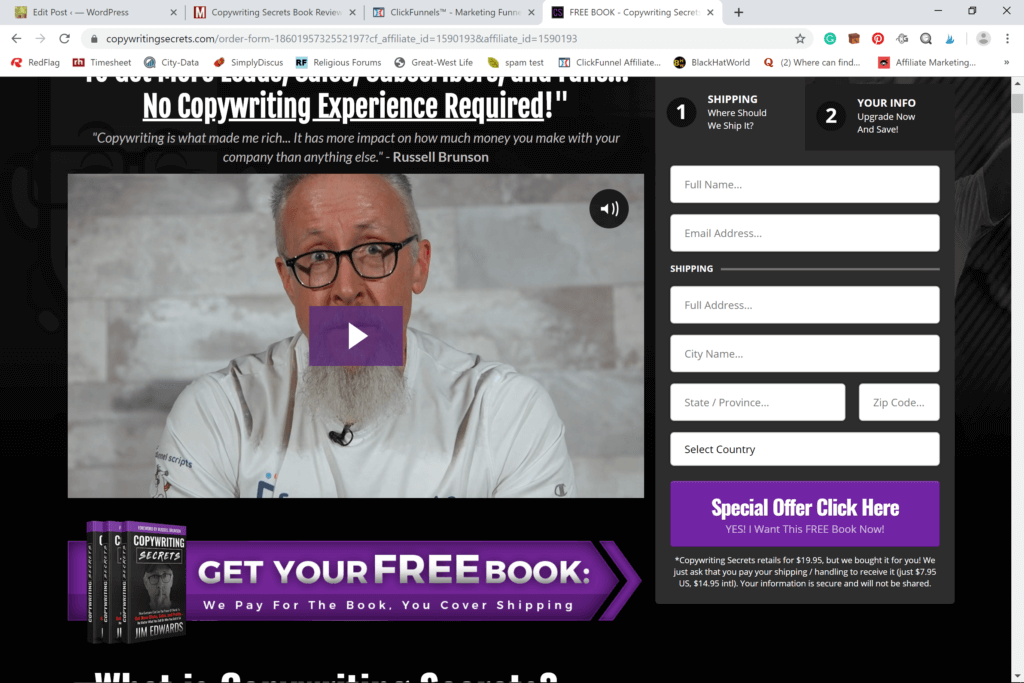
It starts with the ad. A guy (it’s almost always a guy) leaning against a sports car, or sitting in a penthouse, or holding up his phone showing some absurd income number. “I made $43,217 last month while I slept, and I’ll show you how — free.” The word “free” does a lot of heavy lifting. The webinar is free. The training is free. The discovery call is free. Nothing is ever actually free.
You sign up, and the “free training” is 90 minutes of hype with about 4 minutes of content. The entire purpose is to manufacture an emotional state — excitement mixed with urgency — and then present the offer. There’s always a countdown timer. There are always “only 17 spots left.” The price is always slashed from something absurd ($1,997!) to something that feels like a steal ($47!). This is manufactured pressure, and it’s designed to short-circuit your judgment.
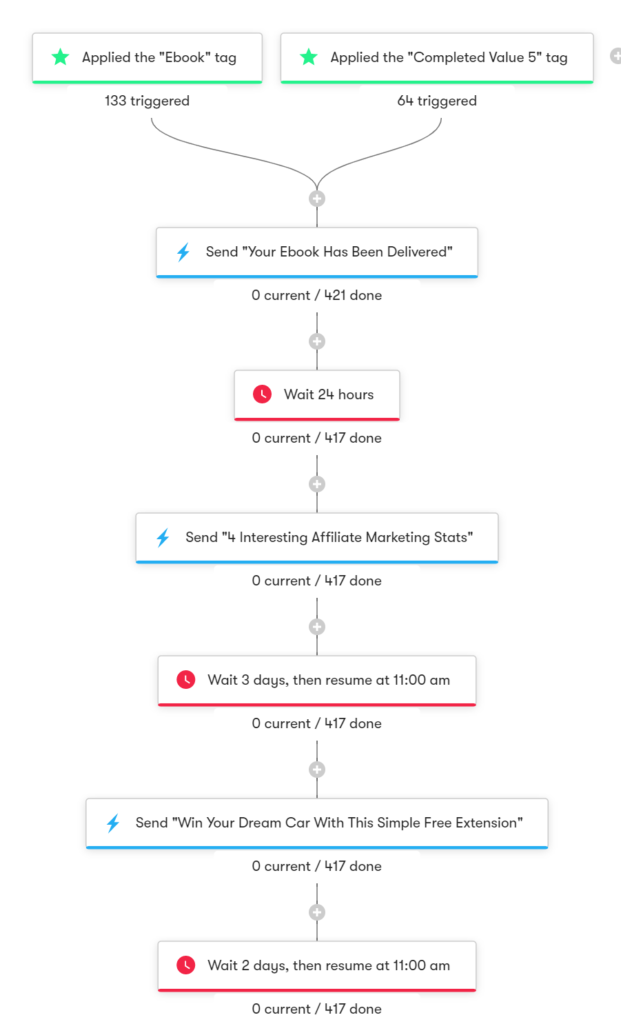
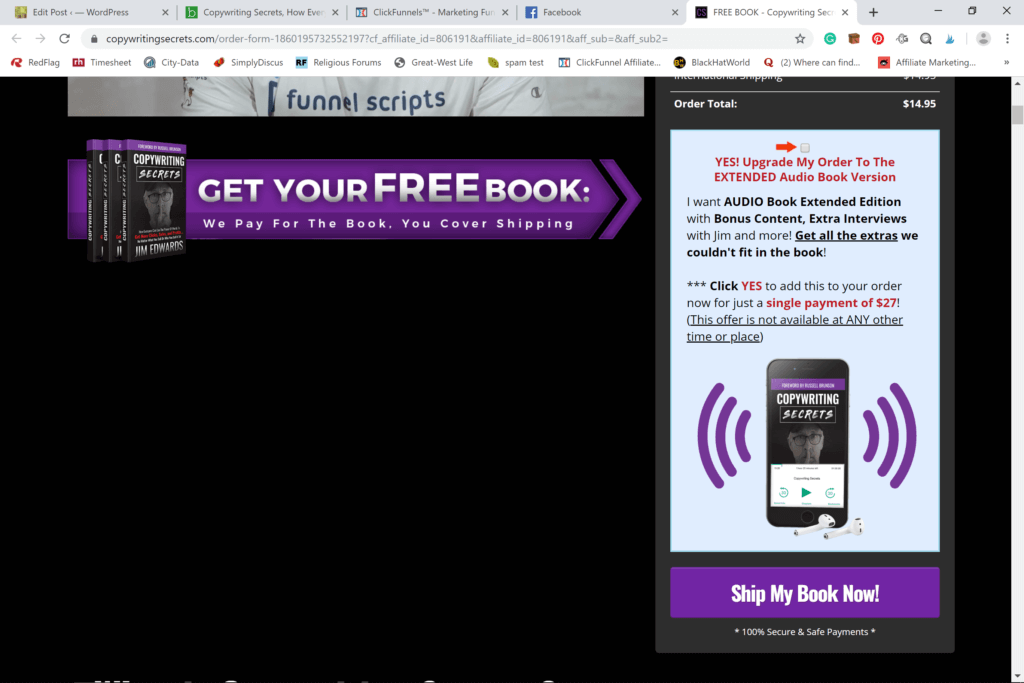
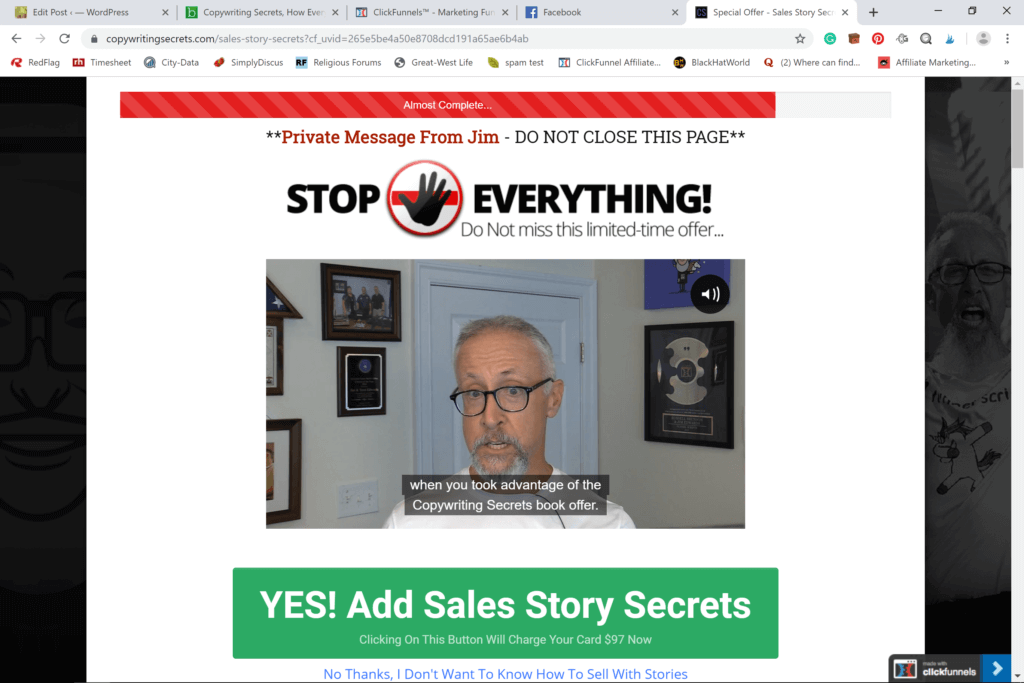
If you buy, you discover the $47 product is mostly fluff — vague motivation and recycled basics you could find free on YouTube. But buried inside is the real business model: the upsell ladder. To get the “real” system, you need the $297 pro version. To get the templates, that’s $497. To get “personal coaching,” that’s $1,997 — or $10,000 for the inner circle. Each rung promises that this is the one that finally unlocks everything. It never does.
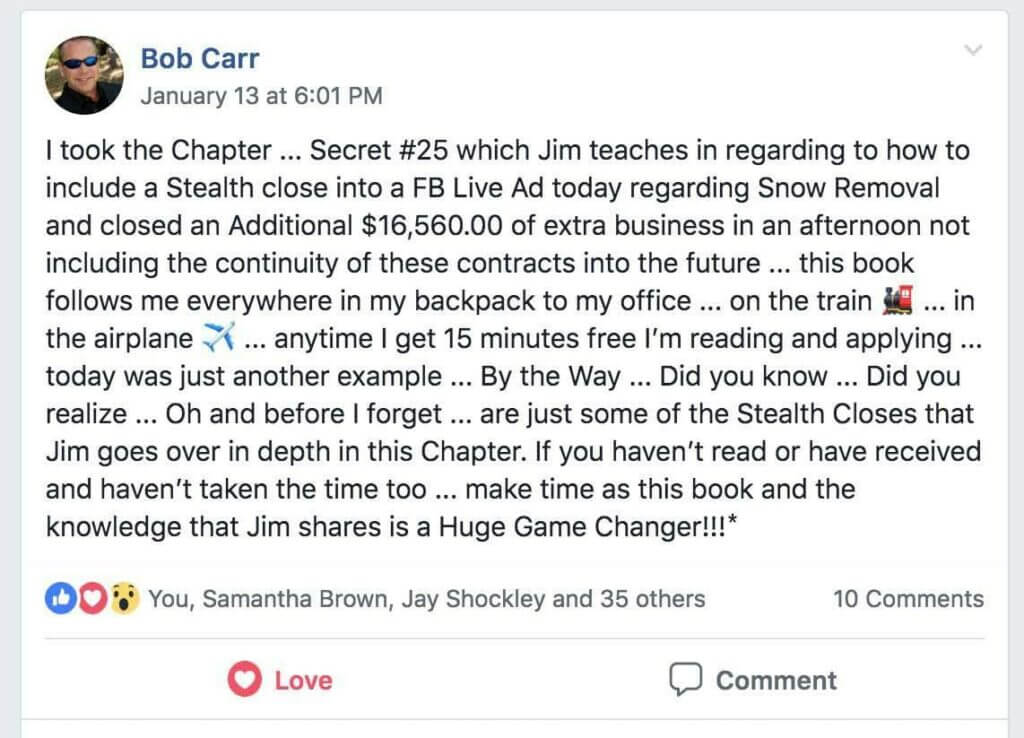
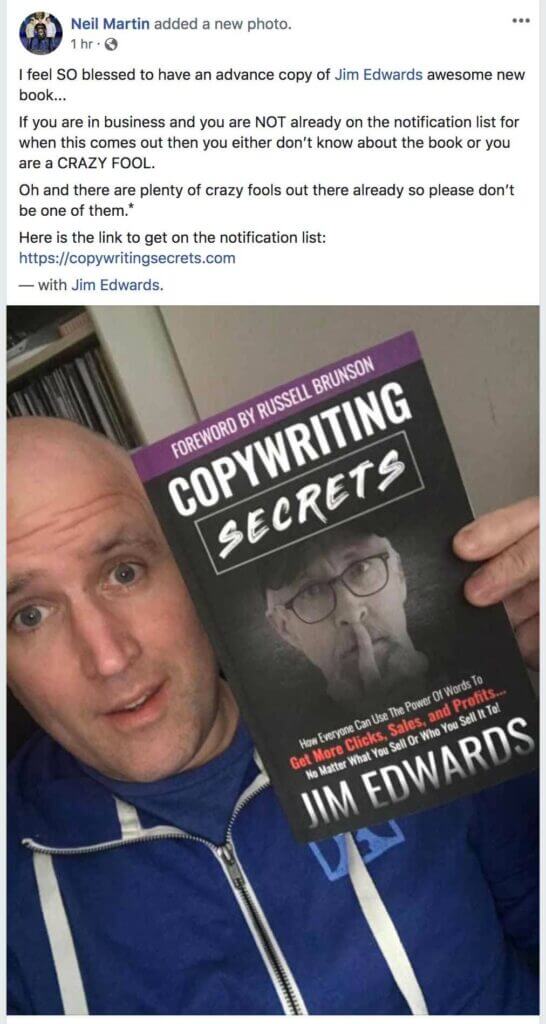
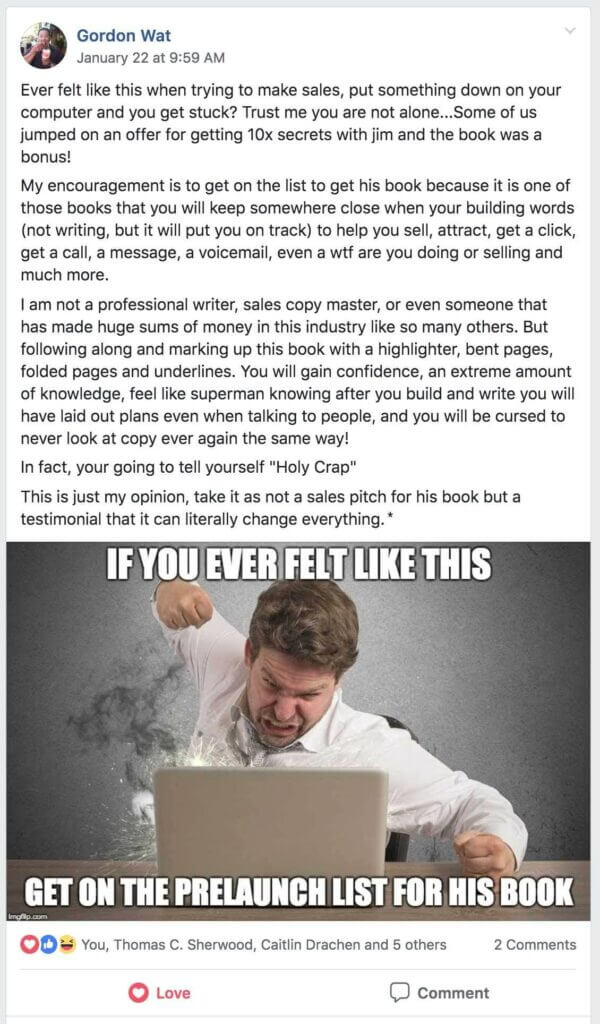
And the testimonials? Some are cherry-picked outliers. Some are outright fabricated. I’ve seen “students” in sales videos who turned out to be paid actors from freelance sites. I’ve seen income screenshots that were mocked up in Photoshop — you can sometimes even see the inconsistencies if you look closely at the fonts.
The cruelest part is the blame shift. When the system doesn’t work for you — and it won’t, because there was never a real system — the guru’s community will tell you that you didn’t “take enough action,” didn’t “invest in yourself” enough, didn’t “want it badly enough.” The failure is always yours. Never theirs. That’s how they keep selling to the same people over and over.

My Story: How I Got Burned (And What It Really Cost Me)
Let me tell you a bit about how I ended up in this world, because I wasn’t some naive kid. By education, I’m an MBA. I’m a computer programmer by training — though I never worked a day in programming — and I spent years in accounting. I know how numbers work. I know how businesses work. And I still got taken.
In 2016, I was introduced to the online marketing world and I fell in love with it immediately. The idea that you could build something on the internet — a real asset, a real business — that genuinely excited me. I threw myself in. I bought courses. I bought software. I bought into programs that promised to shortcut years of learning into a weekend.
Some of what I bought was merely useless — overpriced motivation dressed up as education. But some of it was worse. I trusted people who positioned themselves as mentors and guides, and more than once, I was straight-up scammed. Money gone. The “mentor” gone. The support email bouncing. That specific silence — when you realize the person who was so responsive during the sales process has completely vanished — is something you don’t forget.
Here’s what the money cost doesn’t capture: the embarrassment. Try explaining to your family that the “online business” you’ve been talking about turned out to be someone else’s con. Try sitting with the feeling that you — an educated professional — got played. That shame keeps a lot of victims quiet, which is exactly what scammers count on. Silence is their business partner.
But here’s the other thing it gave me: an education no course could. Every dollar I lost taught me to see the patterns. The hype language. The fake urgency. The too-perfect screenshots. I learned web design, sales funnels, Facebook ads, SEO, and email marketing the hard way — by doing, failing, and doing again. And eventually, I learned the most valuable lesson of all: in this space, skepticism isn’t cynicism — it’s a survival skill.

The Collateral Damage: What Scammers Steal From Legit Marketers
Now here’s the part that doesn’t get talked about enough. When we discuss make money online scams, the conversation is always about the victims — and rightly so. But there’s a second group of victims that nobody mentions: the legitimate marketers.
Imagine you’re an honest affiliate marketer. You’ve spent years learning real skills — copywriting, traffic, email marketing, SEO. You promote products you actually use. You tell people the truth: this takes work, it takes time, most people quit too early. And the moment you tell someone what you do, you watch their face change. The polite smile. The slight step back. “Oh. You’re one of those internet marketing guys.”
That’s the tax every legit marketer pays for the scammers’ crimes: a trust deficit we didn’t create. We start every conversation at a disadvantage, having to prove we’re not con artists before we can even talk about what we actually do. It’s exhausting, and it’s unfair.
The damage goes deeper than awkward conversations. Ad platforms have been burned so many times by scammy “make money” advertisers that the entire niche is treated as radioactive. Try running Facebook ads for a legitimate business opportunity and you’ll discover your account is guilty until proven innocent — restricted reaches, manual reviews, sudden bans, all because scammers poisoned the category years ago. Google isn’t much kinder. The honest advertiser pays for the dishonest one’s sins in the form of higher costs and constant suspicion.
Then there’s the noise problem. The scammers are LOUD. They have the rented cars, the hype videos, the massive ad budgets funded by their victims. The legit educator — the one telling you it’ll take 6 to 12 months of real work — sounds boring by comparison. Truth doesn’t go viral; fantasy does. So the people who most need honest guidance end up following the loudest liar in the room, getting burned, and concluding that the entire space is a scam. The scammer doesn’t just steal their money; he steals their belief that legitimate online business is even possible.
I’ve watched good, honest people quit this industry entirely — not because they failed, but because they got tired of being lumped in with frauds. That’s the real tragedy. Every scammer doesn’t just create victims; they drive away the very people who could have helped the next wave of beginners do it right.
9 Red Flags That Scream “Scam”
Okay — enough doom. Let’s get practical. Whether you’re a beginner or you’ve been around a while, run every “opportunity” through this checklist. If you spot more than a couple of these, walk away.
1. Guaranteed income claims. “Make $10,000 in your first 30 days — guaranteed!” No legitimate business on earth can guarantee your income. Markets change, algorithms change, effort varies. Anyone guaranteeing specific earnings is lying. Full stop.
2. The lifestyle flex with no substance. Rented cars, rented houses, stock-photo vacations. Ask yourself: are they showing you a business, or are they showing you a movie set? Real operators talk about process. Fakes talk about props.
3. Fake urgency everywhere. Countdown timers that reset when you refresh. “Doors closing forever” — until next Tuesday’s webinar. Real scarcity exists, but manufactured panic is a manipulation tactic.
4. No verifiable identity. Can you find this person’s real history? Real business registrations? Real students with real, checkable results? If the guru only exists inside their own marketing funnel, that’s a problem.
5. The product IS the opportunity. This is the big one. If the only thing being sold is the right to sell the thing — courses about making money by selling courses about making money — you’re looking at a closed loop with no real value underneath. Legitimate businesses sell real products to real customers.
6. Vague “secrets” that can’t be explained. “My proprietary AI system does everything for you!” Great — explain how. If the method can’t survive a plain-English explanation, it’s because there is no method.
7. No refund policy — or a maze to get one. Honest sellers stand behind their products with clear guarantees. Scammers make refunds theoretically possible and practically impossible.
8. Testimonials you can’t verify. First names only. Stock photos. “John from Texas made $50K!” If you can’t find a single verifiable human, assume they’re invented.
9. The blame is always on you. Legitimate educators take responsibility for their teaching. Scammers sell you failure insurance in advance: “This works for everyone who really takes action.” Translation: when it doesn’t work, it’s your fault for not wanting it enough.
Print this list. Tape it next to your monitor. Before you spend a single dollar on any program, course, or “system,” run it through all nine. It’ll save you more money than any course ever will.

How Legit Marketers Survive in a Poisoned Well
So what does the honest marketer do? Give up? Go quiet? No. We adapt — and in some ways, the scammers have handed us a playbook for standing out. In a market full of liars, the truth becomes your competitive advantage. Here’s how the legit ones operate:
Radical transparency. The honest marketer shows the work, not just the wins. Real dashboards (with context), real timelines, real failures. I respect the marketer who says “here’s the campaign that lost money and what I learned” ten times more than the one flashing a screenshot with no story behind it. Transparency is the one thing scammers can’t fake at scale — because their reality doesn’t survive daylight.
Teach first, sell second. Notice who gives away genuinely useful information for free. The scammer’s free content is always a teaser — just enough to make you hungry, never enough to make you competent. The legit educator’s free content actually works. You can take it, apply it, and get results without spending a cent. That’s not bad business; it’s proof of competence.
Set realistic expectations. This one filters out 90% of the fakes instantly. Anyone telling you it’s fast and easy is selling you something. The honest answer — that building an online income takes months of consistent work, that most people quit, that there’s no push-button anything — is a terrible sales pitch and a perfect trust signal.
Build under your real name. Scammers hide behind brands, pen names, and faceless funnels because accountability is dangerous to them. Putting your real name, your real face, and your real reputation on the line is the strongest credibility signal in this space. It’s also why I write under my own name. If I’m wrong, you’ll know exactly who to blame.
Document the journey, don’t just declare the destination. The most trustworthy people in this space aren’t the ones shouting about where they arrived — they’re the ones showing you the road, potholes included. Build in public. Share the process. Let people watch you figure it out in real time. That’s something no scammer can replicate, because their journey is fiction.
The Bottom Line: Don’t Let the Scammers Win Twice
Here’s what I want you to take away from all of this. The make money online space isn’t a scam — but it is full of scams, and that distinction matters enormously. The underlying opportunity is real. Affiliate marketing is real. Building audiences, creating content, selling products, freelancing — these are real businesses that real people run every single day. I know, because I’ve spent years learning to do them properly.
But the scammers win twice if we let them. They win the first time when they take someone’s money. And they win the second time when that person — or the legit marketer watching from the sidelines — concludes the whole space is rotten and walks away. Don’t give them that second win.
Stay skeptical, but stay in the game. Learn the red flags. Demand transparency. Support the honest educators. And the next time someone promises you a shortcut to riches, remember the most expensive lesson I ever learned: in the make money online world, the shortcut is usually the scam.
Have you been burned by an online scam, or nearly fallen for one? I’d genuinely like to hear your story — drop it in the comments below. Sunlight is the best disinfectant, and every story shared is one fewer victim for the next scammer.
Frequently Asked Questions
Is making money online legit, or is it all a scam?
Making money online is absolutely legitimate — affiliate marketing, freelancing, e-commerce, and content creation are real businesses. But the space attracts a disproportionate number of scammers selling fake “systems” and guaranteed income. The opportunity is real; many of the loudest people selling it are not.
How can I tell if a make money online program is a scam?
Watch for guaranteed income claims, rented-lifestyle marketing, fake urgency timers, unverifiable testimonials, no clear refund policy, and a business model where the only product is the “opportunity” itself. Legitimate programs teach real skills, set realistic expectations, and operate under verifiable real identities.
Why do so many online business gurus fake their results?
Because faking it is cheap and it works — on beginners. Rented cars and mocked-up screenshots manufacture instant authority with people who don’t yet know what real business results look like. Real results take years; fake results take an afternoon in Photoshop. Always ask for verifiable proof, not just screenshots.
Start Your Online Business
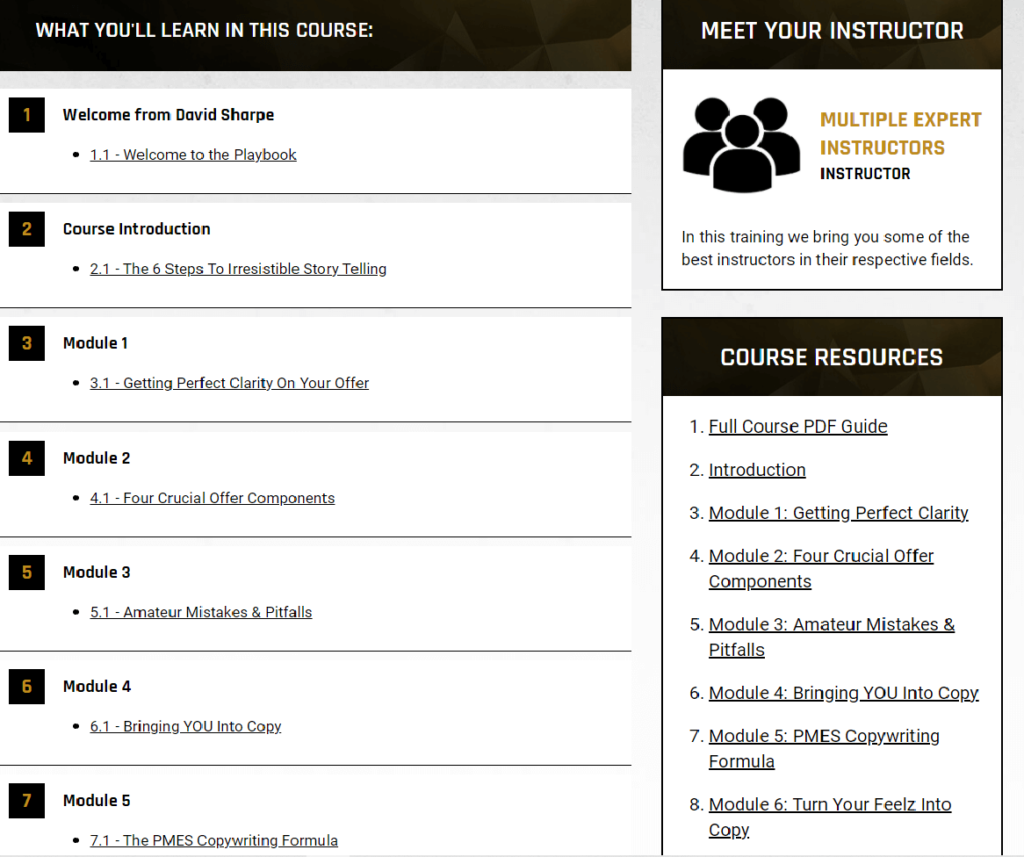
If you’re done guessing and want experienced marketers guiding you every week, here’s the community I recommend:
Disclosure: This is my affiliate link. I may earn a commission if you join, at no extra cost to you.